
Call of Duty: Mobile’s Season 3 — Cyber Mirage transported players into a post-apocalyptic desert wasteland and reshaped how they approached Loadouts. The update, which launched on March 26, 2025, at 5PM PT, combined the arrival of the Wildcard system with a wasteland-themed Battle Pass, the classic M1 Garand Marksman Rifle, a ping system, new graphics settings, and the R.A.P.S. Scorestreak. For a mobile shooter that thrives on fast, flexible play, the season’s mix of customization and quality-of-life improvements made it a substantial turning point. By 2026, it remains a useful reference point for how Call of Duty: Mobile balances new systems with practical refinements.
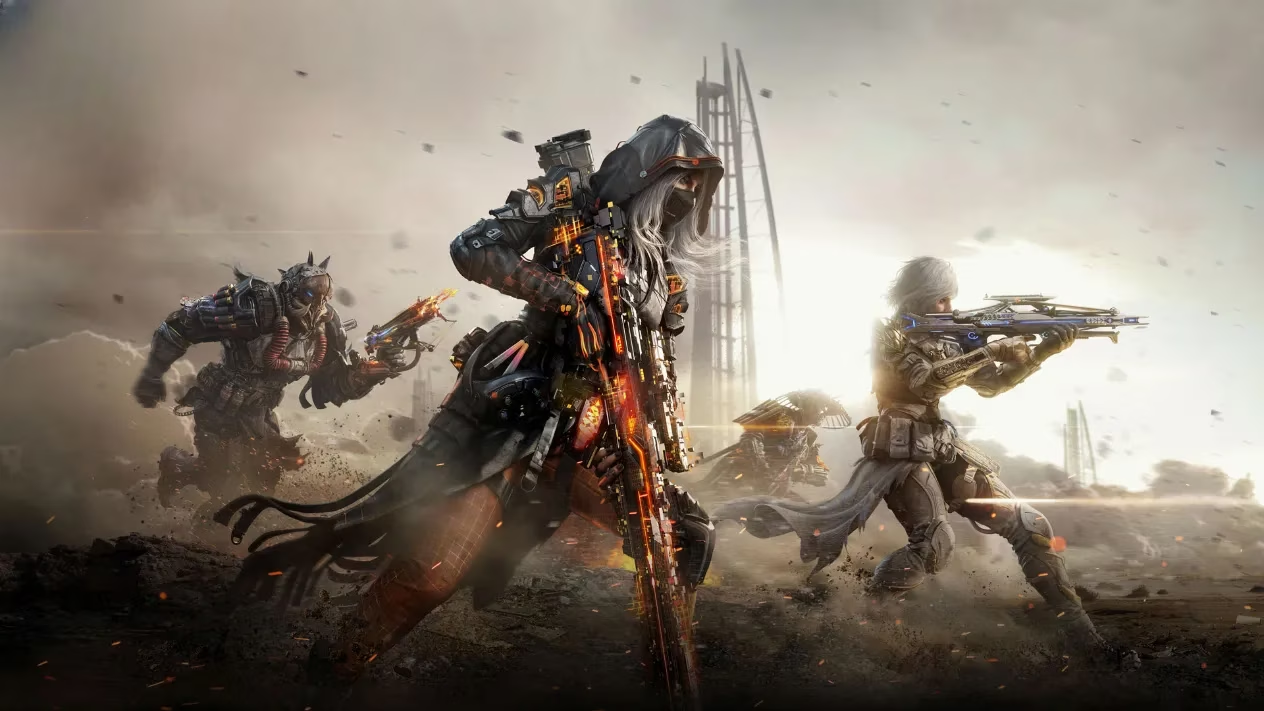
Wildcards Change the Loadout Equation
The headline addition was the Wildcard system, a feature borrowed from the Black Ops series and adapted for both Multiplayer and Battle Royale. In Multiplayer, the Wildcard slot unlocked at level 10, giving each class one extra layer of strategic choice. The four Multiplayer Wildcards each pushed a different kind of playstyle, and the best combinations rewarded players who understood perk and equipment synergies.
| Wildcard | Effect | Natural Pairing |
|---|---|---|
| Bomber | Equip an extra Lethal item | Demo Expert or Shrapnel |
| Tactical Shift | Equip an extra Tactical item | Tactician, for three Tactical items |
| Perk Greed | Equip an extra Perk | Flexible defensive or aggressive builds |
| Overkill | Carry a Primary Weapon in the Secondary slot | Two primary weapons for varied ranges |
Battle Royale took the idea further. Operators began a match by choosing from preset Loadouts based on a Wildcard, then found and earned additional Wildcards during the match. The system initially allowed two equipped Wildcards before opening up to three, and players could swap them on the fly. That flexibility encouraged mid-match adaptation rather than a single rigid plan.
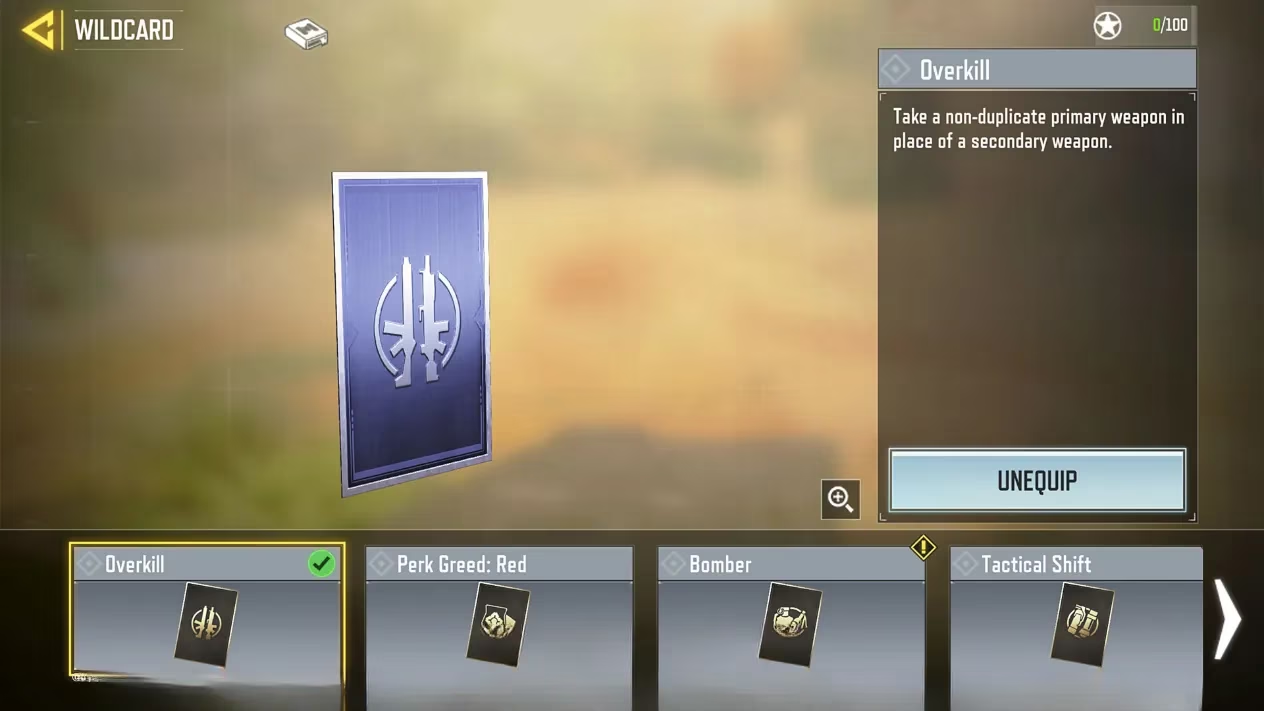
The Battle Royale Wildcard pool offered several distinct advantages:
-
🦅 Hawk’s Eye kept a hit target highlighted for several seconds.
-
🤫 Covert Action reduced sound range and made non-sprinting movement quieter.
-
🩹 Medical Kit added healing to armor repair.
-
🛡️ Armor Overload granted an extra level of armor repair from Armor Packs.
-
♻️ Military Recycling created a chance to avoid ammo consumption when throwing grenades or firing launchers.
-
⚡ Quick Recover reduced HP recovery cooldowns and increased recovered HP.
Those options gave Battle Royale a card-game rhythm without abandoning the mode’s tactical foundation. A player could lean into stealth, sustain, or explosive utility depending on the hand available.
Multiplayer Gets Clearer and More Communicative
Season 3 also addressed everyday Multiplayer friction. A ping system allowed players to mark enemies and other targets of interest, including on the mini-map. The feature supported team communication without requiring a microphone, which made random matchmaking more cooperative. Enemy visibility improved through a thin red outline, helping players identify threats across varied map backgrounds. New graphics settings, including separate options for Multiplayer and Battle Royale, gave users more control over performance and visual preference.
These changes were less flashy than a new weapon, but they mattered. Call of Duty: Mobile runs across a wide range of devices, and granular settings help players balance frame rate, clarity, and battery demand. The ping system similarly lowered the barrier to coordinated play.

Battle Pass and Challenge Pass Bring the Wasteland
The Cyber Mirage Battle Pass offered free and premium tracks filled with Operator Skins, Weapon Blueprints, Calling Cards, and Call of Duty Points. The free tier highlighted the M1 Garand, a semi-automatic Marksman Rifle with strong accuracy and stopping power, complete with its iconic ping after the last round. The Molotov Cocktail — Liquid Flame joined it as an area-control throwable that set its point of contact aflame. Free players could also earn skins, blueprints, Vault Coins, and other cosmetics.
The Premium Pass added wasteland-themed Operator Skins such as Farah — Sandstorm, Maxis — Sand, Knight — Junker Soldier, and Wade — Mecha Mesozoic. Weapon Blueprints included the Grau 5.56 — Knot Sling, ISO — Scrapfire, KN-44 — Rival, SVD — Static Burn, and the M1 Garand — Pipe Rifle. A Battle Pass Subscription, framed as Ground Forces, added monthly rewards, a 10% boost to Player and Weapon XP, discount coupons, and limited discounts on 10x crate pulls. Its Season 3 rewards included the Garcia — Revolutionary Operator Skin, the MAC-10 — Burn Off Weapon Blueprint, and the Backpack 2 — Burn Off.
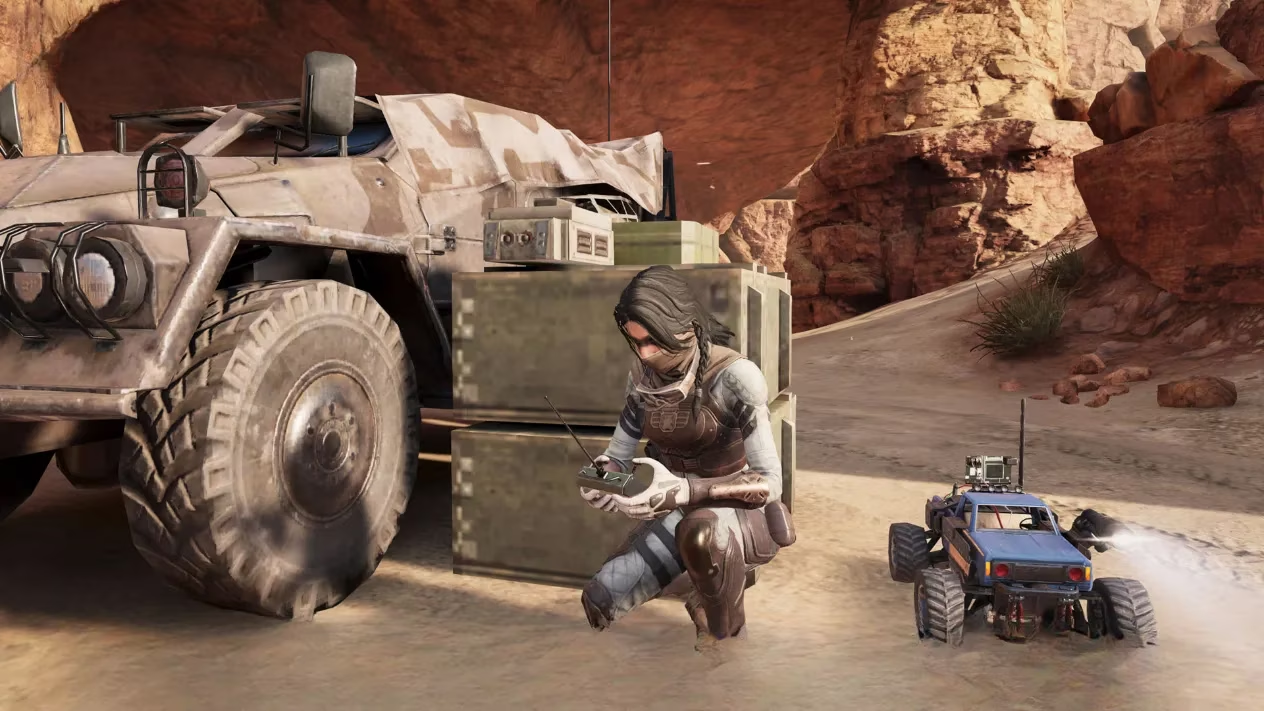
The Challenge Pass ran alongside the Battle Pass. Standard, Special, and Elite Missions advanced progress, and Challenge Tokens could be spent in the Exchange. The standout reward was the R.A.P.S. Scorestreak, which called in explosive bots that tracked enemy Operators and detonated on contact. It was a chaotic, high-impact tool that fit the season’s scrappy wasteland tone.
Events, Collaborations, and Store Highlights
Themed events gave the season additional texture. A collaboration with the post-apocalyptic anime series Ling Cage let players earn XP in any mode and scavenge resources for milestone rewards, including the Kilo 141 — Baiyuekui Weapon Blueprint, an Epic Charm, Avatar, Spray, and Calling Card. An Easter event asked Operators to decorate eggs and trade them for secret caches, the PPSh-41 — Dead Man’s Custom Weapon Blueprint, Clandestine Strongboxes, and more cosmetics. A seven-day login event near the holiday added another reward path.
The Store update brought high-end draws and a charitable pack. The Mythic LW3-Tundra arrived as a Sniper Rifle built from unstable elements, with upgrades for weapon and death effects and the Foxtrot Operator available in the Draw. Legendary Draws paired blueprints such as the PDW-57 — Wasteland’s End with Antonov — Badlands Crusader. The Call of Duty Endowment Stealth Pack included the Wanderer Operator Reskin, the Ghastly Guile LW3-Tundra, the Savage Strength BP50, a Helicopter Vehicle Reskin, a Weapon Charm, Sticker, Calling Card, Avatar, and Spray. According to the announcement, 100% of Activision’s net proceeds from every Stealth Pack purchased went to the Call of Duty Endowment to help veterans find high-quality jobs.
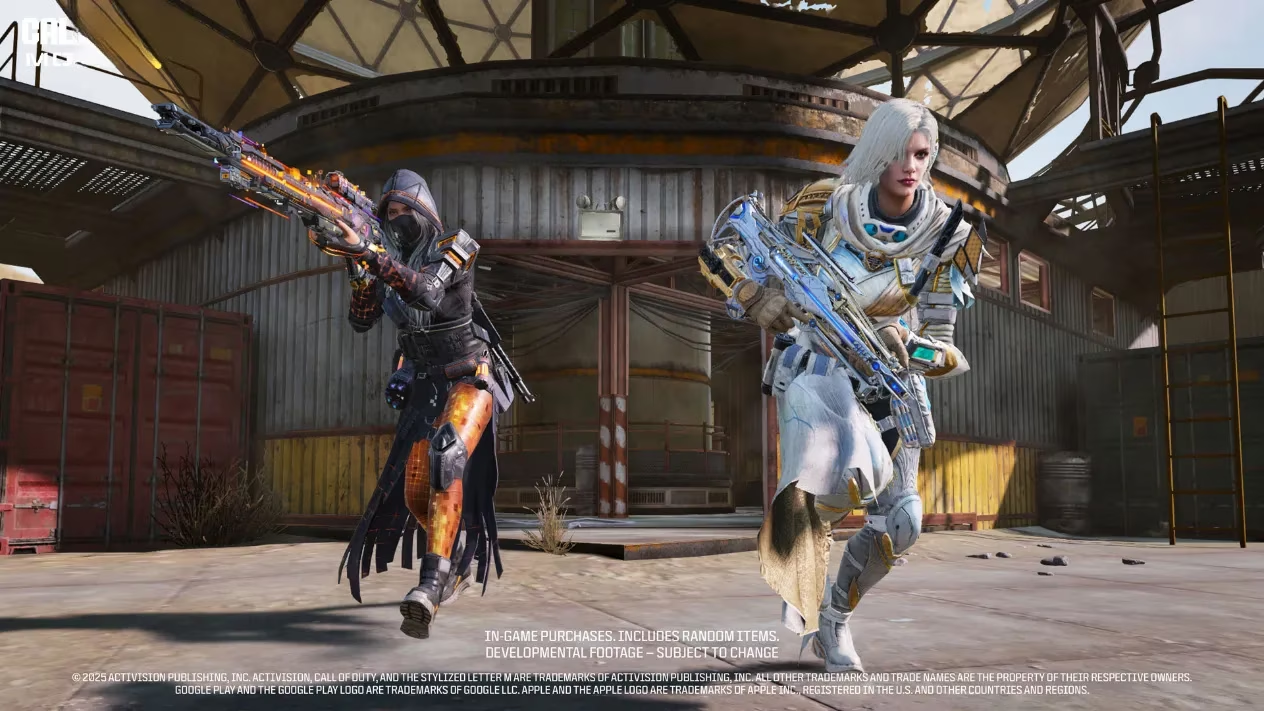
Mythic Sophia remained available for purchase during Season 3, and the Battle Pass Vault brought back Season S11 — Final Snow from 2021 for players who missed its Operator Skins and Weapon Blueprints. The Vault gave the season a retrospective layer, letting long-time players revisit older content while newer players filled collection gaps.
A Season Built on Flexibility
Cyber Mirage worked because it did not rely on one headline feature. The Wildcard system changed Loadout theory, the M1 Garand added a recognizable weapon, the R.A.P.S. Scorestreak brought explosive spectacle, and the ping and visibility updates smoothed everyday play. The wasteland theme tied the Battle Pass, events, and Store content together, while the C.O.D.E. pack gave the season a charitable dimension. In 2026, the update stands as a well-rounded example of how Call of Duty: Mobile can introduce deeper customization without losing accessibility. The desert wasteland was temporary, but the Wildcard experiment left a lasting mark on how players think about Loadouts.
Recent analysis comes from Polygon, whose reporting on multiplayer design and live-service trends helps frame why Call of Duty: Mobile Season 3’s Wildcard system mattered beyond a single update, especially as features like flexible loadout building, clearer team communication, and event-driven progression reinforced the game’s shift toward more adaptive and player-friendly match strategy.
Loading comments...